
How Can Custom Green Packaging Help Build a Sustainable Brand?
According to the Statista 2023 report, the global packaging market size has reached 1.2 trillion US dollars. Among them, the sustainable packaging segment is growing at an annual rate of 8%, and it is expected that its share will increase from 25% in 2021 to 40% by 2030. Custom Green Packaging can reduce the carbon footprint of its products by up to 50% by using biodegradable materials such as polylactic acid (PLA). It is like putting on green armor for the brand, which not only guards against environmental risks but also enhances the image. Take Unilever as an example. In its 2025 Sustainable Development goals, the company committed to making all plastic packaging reusable, recyclable or compostable. Currently, it has achieved 60% of the progress, reducing plastic usage by 100,000 tons annually, which is equivalent to cutting carbon emissions by 300,000 tons.
From a financial perspective, investing in customized green packaging may increase the initial cost by 15-20%, but research by the Boston Consulting Group shows that enterprises can achieve an average return on investment of 30% within 24 months by optimizing the supply chain and reducing waste disposal costs. For instance, since 2015, Amazon has launched the "No File Packaging" initiative, reducing packaging weight by 35%, saving a total of 914 million US dollars in transportation costs, and at the same time, reducing transportation carbon emissions by 25%. This lightweight design not only reduces logistics costs but also increases packaging efficiency by 40%, proving that environmental protection measures can go hand in hand with profit growth.
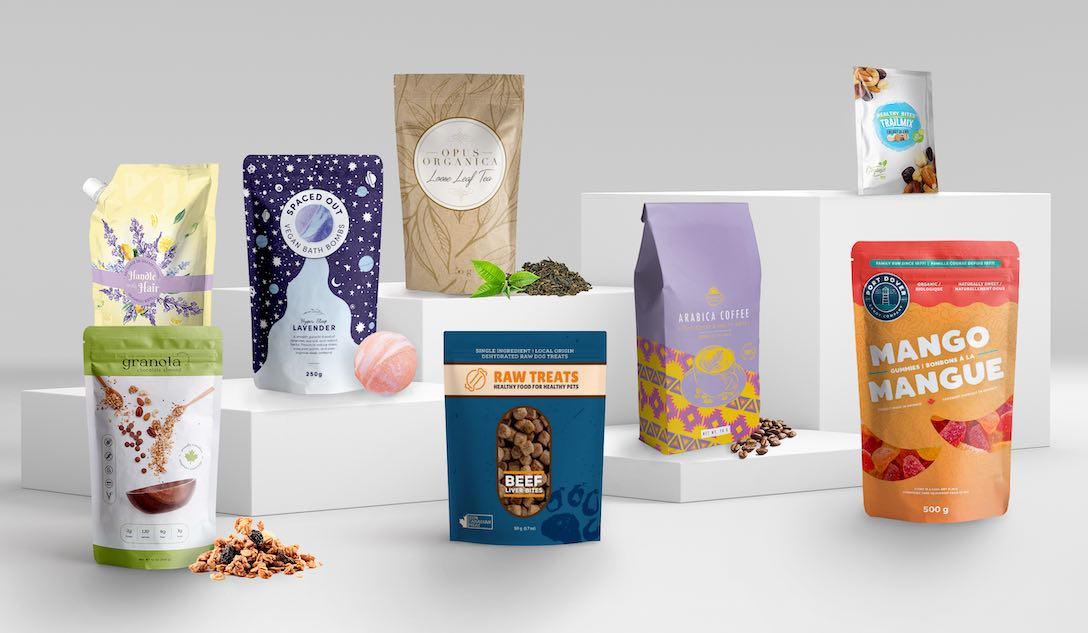 In terms of consumer behavior, a 2022 survey by the IBM Institute for Business Value found that 77% of global consumers prefer brands with sustainable packaging and are willing to pay a 10% premium. Customized green packaging can increase brand favorability by 40% and raise the repeat purchase rate of customers by 20 percentage points, just like sowing the seeds of loyalty in the market. After PepsiCo launched fully recyclable potato chip bags, sales in the pilot market increased by 15%, highlighting how eco-friendly packaging can directly drive demand. In addition, the discussion frequency of sustainable topics on social media exceeds one million times per month, further amplifying brand exposure.
Technological innovation is the core driving force for customizing green packaging. For instance, packaging made of mycelium materials can be biodegraded within 30 days, while traditional foam plastics take 500 years to decompose. 3D printing technology enables on-demand production, reducing packaging inventory costs by 40% and cutting material waste by 25%. According to a 2023 study in Nature, the widespread application of such new materials could reduce global packaging waste by 50% by 2030, while packaging life cycle assessments show a 35% decline in carbon intensity. This progress not only responds to regulations such as the EU single-use Plastics Directive, but also promotes the transformation of the industry towards a circular economy.
In conclusion, customizing green packaging is a win-win strategy for building sustainable brands. McKinsey predicts that this market will expand at a compound annual growth rate of 8.5% by 2030, and early adopters may increase their market share by 5-10%. L 'Oreal Group reduced its carbon intensity by 20% in 2023 and increased its brand value index by 15 points by adopting 100% recyclable packaging, demonstrating that environmental protection investment can be transformed into long-term competitiveness. Just like the gentle spring rain, these small measures converge into a torrent of change, guiding enterprises towards a more resilient future.
In terms of consumer behavior, a 2022 survey by the IBM Institute for Business Value found that 77% of global consumers prefer brands with sustainable packaging and are willing to pay a 10% premium. Customized green packaging can increase brand favorability by 40% and raise the repeat purchase rate of customers by 20 percentage points, just like sowing the seeds of loyalty in the market. After PepsiCo launched fully recyclable potato chip bags, sales in the pilot market increased by 15%, highlighting how eco-friendly packaging can directly drive demand. In addition, the discussion frequency of sustainable topics on social media exceeds one million times per month, further amplifying brand exposure.
Technological innovation is the core driving force for customizing green packaging. For instance, packaging made of mycelium materials can be biodegraded within 30 days, while traditional foam plastics take 500 years to decompose. 3D printing technology enables on-demand production, reducing packaging inventory costs by 40% and cutting material waste by 25%. According to a 2023 study in Nature, the widespread application of such new materials could reduce global packaging waste by 50% by 2030, while packaging life cycle assessments show a 35% decline in carbon intensity. This progress not only responds to regulations such as the EU single-use Plastics Directive, but also promotes the transformation of the industry towards a circular economy.
In conclusion, customizing green packaging is a win-win strategy for building sustainable brands. McKinsey predicts that this market will expand at a compound annual growth rate of 8.5% by 2030, and early adopters may increase their market share by 5-10%. L 'Oreal Group reduced its carbon intensity by 20% in 2023 and increased its brand value index by 15 points by adopting 100% recyclable packaging, demonstrating that environmental protection investment can be transformed into long-term competitiveness. Just like the gentle spring rain, these small measures converge into a torrent of change, guiding enterprises towards a more resilient future.
In terms of consumer behavior, a 2022 survey by the IBM Institute for Business Value found that 77% of global consumers prefer brands with sustainable packaging and are willing to pay a 10% premium. Customized green packaging can increase brand favorability by 40% and raise the repeat purchase rate of customers by 20 percentage points, just like sowing the seeds of loyalty in the market. After PepsiCo launched fully recyclable potato chip bags, sales in the pilot market increased by 15%, highlighting how eco-friendly packaging can directly drive demand. In addition, the discussion frequency of sustainable topics on social media exceeds one million times per month, further amplifying brand exposure.
Technological innovation is the core driving force for customizing green packaging. For instance, packaging made of mycelium materials can be biodegraded within 30 days, while traditional foam plastics take 500 years to decompose. 3D printing technology enables on-demand production, reducing packaging inventory costs by 40% and cutting material waste by 25%. According to a 2023 study in Nature, the widespread application of such new materials could reduce global packaging waste by 50% by 2030, while packaging life cycle assessments show a 35% decline in carbon intensity. This progress not only responds to regulations such as the EU single-use Plastics Directive, but also promotes the transformation of the industry towards a circular economy.
In conclusion, customizing green packaging is a win-win strategy for building sustainable brands. McKinsey predicts that this market will expand at a compound annual growth rate of 8.5% by 2030, and early adopters may increase their market share by 5-10%. L 'Oreal Group reduced its carbon intensity by 20% in 2023 and increased its brand value index by 15 points by adopting 100% recyclable packaging, demonstrating that environmental protection investment can be transformed into long-term competitiveness. Just like the gentle spring rain, these small measures converge into a torrent of change, guiding enterprises towards a more resilient future.
Never miss the next rise.
Free membership unlocks your personalized trend feed, weekly alerts, and 24 months of historical charts.