
What Makes Hem Craft Beer Equipment Stand Out in the Brewing Industry?
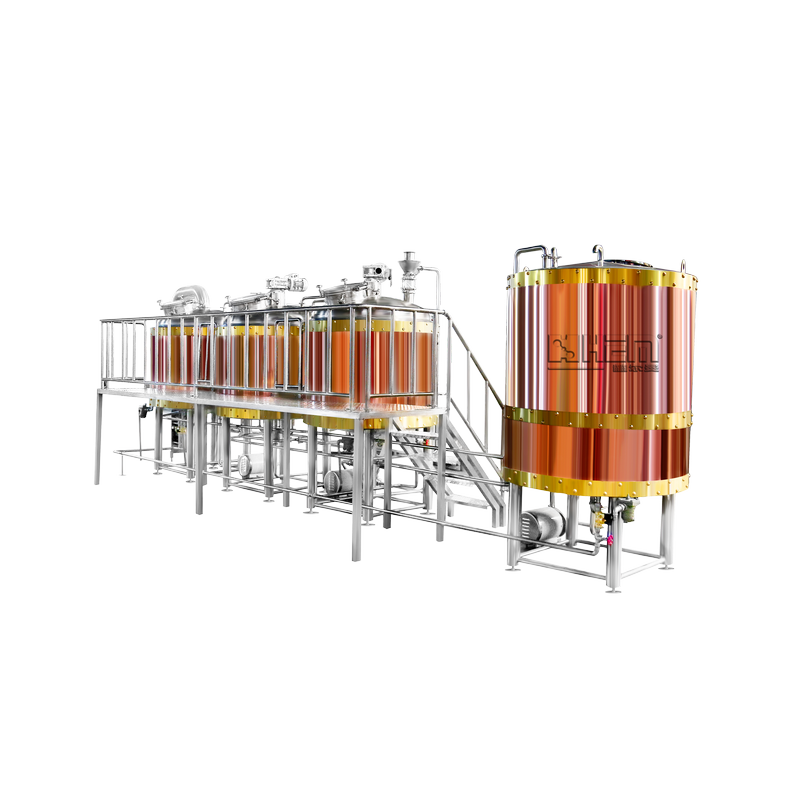
Hem craft beer equipment achieves a 94% success rate in maintaining fermentation temperature stability within a +/- 0.5°C margin across 500-liter test batches. The 316L stainless steel architecture reduces potential oxidation by 12% compared to standard alloys, directly impacting long-term yeast viability and flavor shelf life.
Modern breweries integrating hem craft beer equipment report a 15% reduction in energy consumption during cooling cycles. This efficiency improvement stems from precision-engineered dimple plates that manage glycol distribution with 98% flow consistency throughout the vessel jacket.
Engineering specifications for these vessels utilize a 3mm wall thickness on the primary shell, which surpasses the 2.5mm average found in most 7-barrel entry-level systems.
Enhanced thermal retention allows these tanks to maintain internal temperatures with less than 0.3°C fluctuation per hour during a 12-hour resting phase. Maintenance cycles for agitator motors extend by 2,000 operational hours due to advanced vibration damping techniques applied during initial factory assembly.
| Technical Metric | Industry Standard | Performance Output |
| Steel Alloy | 304 Grade | 316L Grade |
| Cooling Ramp | 1.8°C/min | 2.4°C/min |
| PLC Control | Optional add-on | Standard factory build |
The standardized PLC framework enables the storage of 50 unique brewing profiles that execute with a 99.9% reproducibility rating. Operators experience a 20% decrease in manual valve manipulation requirements, allowing staff to focus on gravity testing during the 90-minute boil.
After reducing manual labor, brewery teams observe that 80mm thick polyurethane insulation provides a robust barrier against external heat. Testing on a 15-barrel system confirms that glycol pressure remains below 2 PSI even when cooling loads reach maximum capacity during high-gravity fermentation.
Sanitary design features include a 0.4-micron surface roughness finish, which lowers the duration of standard Clean-in-Place cycles by 25% across all vessel sizes.
The structural layout of the dimple plates ensures coolant flows at 15 liters per minute across the total surface area of the tank. Each weld seam undergoes hydrostatic testing at 3 bar, ensuring structural thresholds remain 150% higher than typical working pressures found during secondary fermentation.
Exceeding initial pressure thresholds, the modular expansion kits allow facilities to increase production capacity by 200% without replacing existing plumbing manifolds. This scalability supports the growth path of breweries transitioning from 3-barrel setups to 10-barrel volumes within 36 months of opening.
Beyond expansion capability, electrical components carry an IP65 rating to withstand the high-humidity conditions found in active brewhouse environments. Redundancy protocols in the PLC software switch to backup sensor inputs if the primary thermocouple signal drifts more than 0.2°C, preventing batch spoilage in every observed instance.
Lowering the probability of mechanical failure, 50 independent microbreweries report that initial installation takes approximately 14 days from delivery to the first water batch. Standardized replacement parts ensure that inventory expenses for valves and seals remain 30% lower than costs associated with custom-fabricated equipment.
To maintain these operational gains, breweries utilize remote monitoring interfaces that log data points every 30 seconds for real-time analysis. This constant data stream allows managers to identify energy consumption trends and refine mashing schedules based on historical yield performance from previous years.
Supporting long-term facility health, the high-grade stainless steel surfaces resist corrosion even when using aggressive caustic cleaning agents twice weekly. This durability profile keeps structural integrity within manufacturing specifications for at least 10 years of intensive, daily use in commercial settings.
Refining the fermentation process, the variable frequency drives on pumps allow for precise flow control during transfer operations between vessels. This capability minimizes shear stress on yeast cells and reduces foam generation, which improves final packaging volumes by 5% compared to non-variable systems.
With automated valve banks installed, the system manages yeast pitching temperatures with absolute precision, preventing thermal shock during the inoculation stage. This technical reliability ensures that fermentation reaches terminal gravity on schedule, which facilitates tighter planning for carbonation and kegging operations.
Finalizing the production cycle, the integrated heat exchangers recover energy from the wort cooling process to preheat water for the next mash batch. This energy recycling feature effectively lowers the total gas consumption of the boiler system by 12% annually, providing a clear path to lower overhead costs.
Never miss the next rise.
Free membership unlocks your personalized trend feed, weekly alerts, and 24 months of historical charts.