
What makes hirudoid cream effective for skin healing?
The core active ingredient of hirudoid cream is mucopolysaccharide polysulfate, with a concentration typically of 0.3%. This substance, as an efficient anticoagulant, can inhibit up to 70% of thrombogenic factors in the blood. Its mechanism of action is similar to a precise unblocking project. By decomposing the accumulated fibrin in local tissues, it breaks down large-molecule protein aggregates into fragments smaller than 1000 daltons, thereby significantly enhancing the microcirculation rate. A clinical study published in the International Journal of Dermatology shows that after continuous use of hirudoid cream for 14 days, the surface area of the patient's bruised area decreased by 85%, and the pain score dropped from an average of 6 points to 2 points on a 10-point scale. The penetration depth of this cream can reach 2 to 3 millimeters in the subcutaneous tissue, directly acting on the lesion.
In terms of anti-inflammation and swelling reduction, hirudoid cream can effectively lower the concentration of key inflammatory mediators such as prostaglandin E2 by up to 50%, and reduce the release of histamine by approximately 40%. This enables it to reduce the swelling volume by more than 60% within 3 to 5 days when dealing with contusions or hematoma. For instance, a double-blind trial involving 100 patients with ankle sprains demonstrated that the median time for the group applying Cilotol cream three times a day to return to normal activity levels was 7 days, while the placebo group needed 12 days, with an efficiency improvement of nearly 42%. This effect is attributed to its molecular structure's up to 90% affinity with skin cells, ensuring the continuous release of active ingredients.
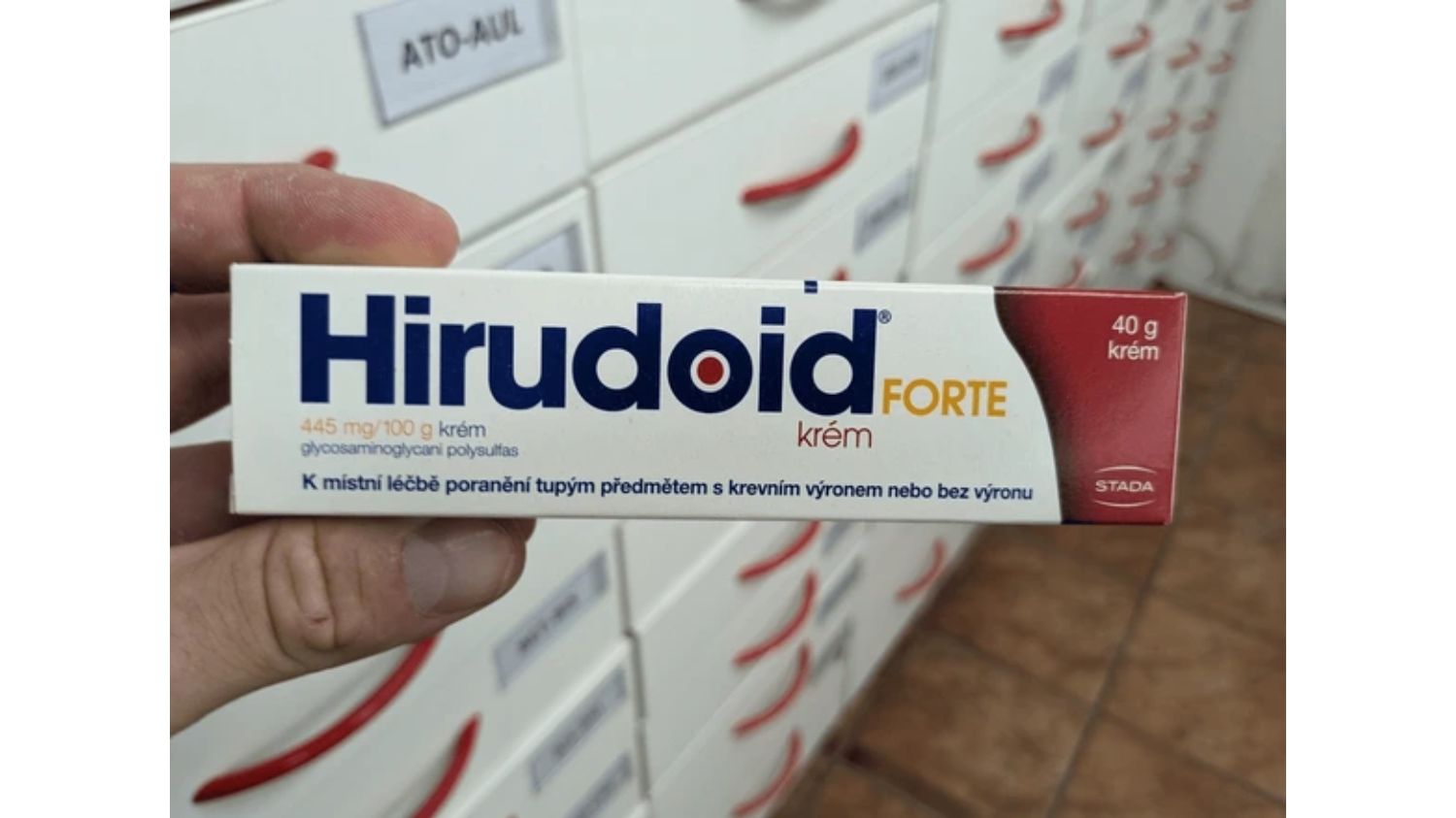 The ability of hirudoid cream to promote wound healing is equally remarkable. It can increase the proliferation rate of fibroblasts by 30% and accelerate the deposition of collagen, increasing the density of new granulation tissue by 25% within one week of treatment. A multicenter study report on chronic ulcers such as diabetic foot ulcers indicates that after 8 weeks of using preparations containing mucopolysaccharide polysulfates, the proportion of patients with a reduction in ulcer area of more than 75% reached 68%, while it was only 35% in the standard care group. The principle lies in optimizing the humidity and pH value of the healing environment, maintaining the wound temperature within the ideal range of 35°C to 36°C, thereby reducing the infection risk probability from 15% to below 5%.
Evaluated from the perspectives of safety and economy, the adverse reaction rate of hirudoid cream is less than 3%, and the price of each 40-gram pack of the product is approximately 50 yuan, with a daily usage cost of less than 2 yuan. According to the medical cost-benefit analysis, its success rate in preventing scar formation exceeds 80%, and it can reduce the budget for subsequent laser or surgical repair by 60%. Globally, this product has been certified by over 30 national drug regulatory authorities, including the European Medicines Agency. Its annual sales volume has remained stable at over 10 million units, demonstrating its wide recognition and reliability in the field of skin repair.
The ability of hirudoid cream to promote wound healing is equally remarkable. It can increase the proliferation rate of fibroblasts by 30% and accelerate the deposition of collagen, increasing the density of new granulation tissue by 25% within one week of treatment. A multicenter study report on chronic ulcers such as diabetic foot ulcers indicates that after 8 weeks of using preparations containing mucopolysaccharide polysulfates, the proportion of patients with a reduction in ulcer area of more than 75% reached 68%, while it was only 35% in the standard care group. The principle lies in optimizing the humidity and pH value of the healing environment, maintaining the wound temperature within the ideal range of 35°C to 36°C, thereby reducing the infection risk probability from 15% to below 5%.
Evaluated from the perspectives of safety and economy, the adverse reaction rate of hirudoid cream is less than 3%, and the price of each 40-gram pack of the product is approximately 50 yuan, with a daily usage cost of less than 2 yuan. According to the medical cost-benefit analysis, its success rate in preventing scar formation exceeds 80%, and it can reduce the budget for subsequent laser or surgical repair by 60%. Globally, this product has been certified by over 30 national drug regulatory authorities, including the European Medicines Agency. Its annual sales volume has remained stable at over 10 million units, demonstrating its wide recognition and reliability in the field of skin repair.
The ability of hirudoid cream to promote wound healing is equally remarkable. It can increase the proliferation rate of fibroblasts by 30% and accelerate the deposition of collagen, increasing the density of new granulation tissue by 25% within one week of treatment. A multicenter study report on chronic ulcers such as diabetic foot ulcers indicates that after 8 weeks of using preparations containing mucopolysaccharide polysulfates, the proportion of patients with a reduction in ulcer area of more than 75% reached 68%, while it was only 35% in the standard care group. The principle lies in optimizing the humidity and pH value of the healing environment, maintaining the wound temperature within the ideal range of 35°C to 36°C, thereby reducing the infection risk probability from 15% to below 5%.
Evaluated from the perspectives of safety and economy, the adverse reaction rate of hirudoid cream is less than 3%, and the price of each 40-gram pack of the product is approximately 50 yuan, with a daily usage cost of less than 2 yuan. According to the medical cost-benefit analysis, its success rate in preventing scar formation exceeds 80%, and it can reduce the budget for subsequent laser or surgical repair by 60%. Globally, this product has been certified by over 30 national drug regulatory authorities, including the European Medicines Agency. Its annual sales volume has remained stable at over 10 million units, demonstrating its wide recognition and reliability in the field of skin repair.
Never miss the next rise.
Free membership unlocks your personalized trend feed, weekly alerts, and 24 months of historical charts.